
Last updated November 23, 2026
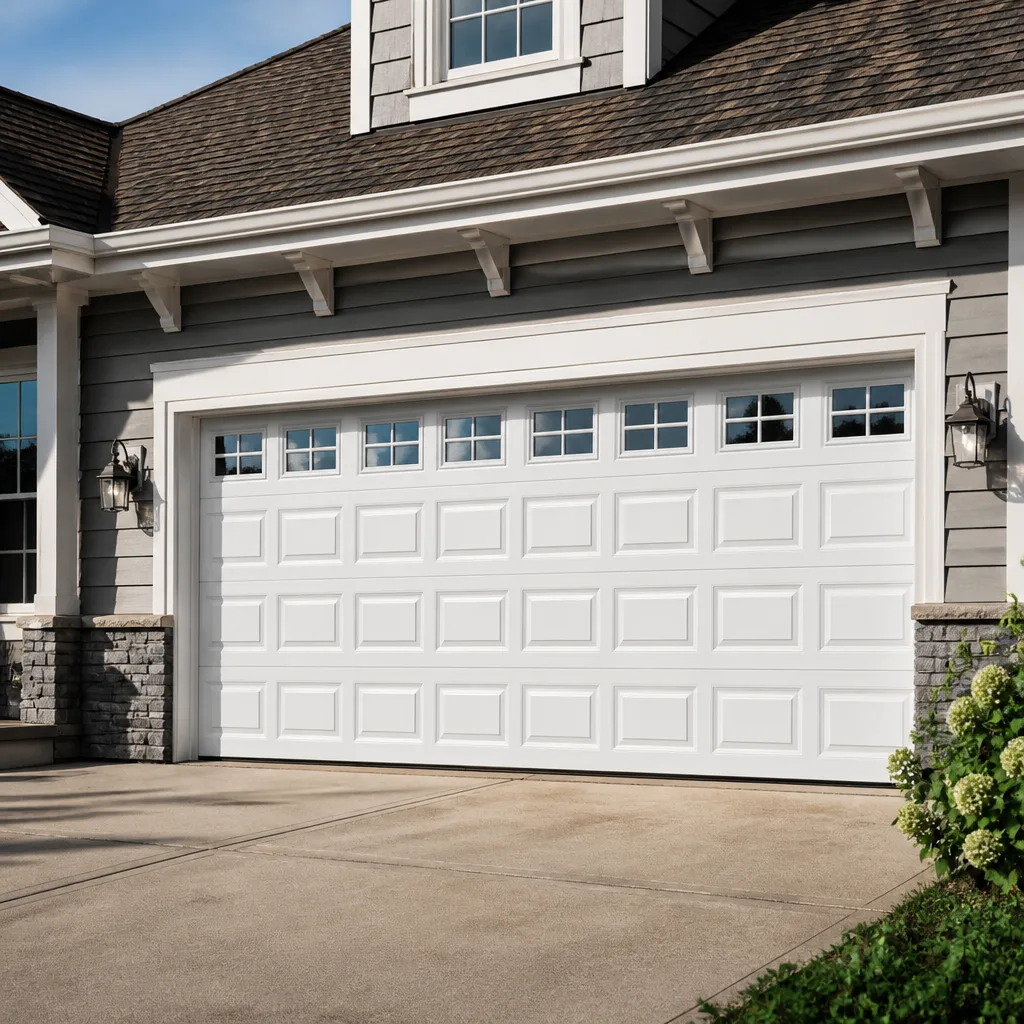 Raised-panel steel
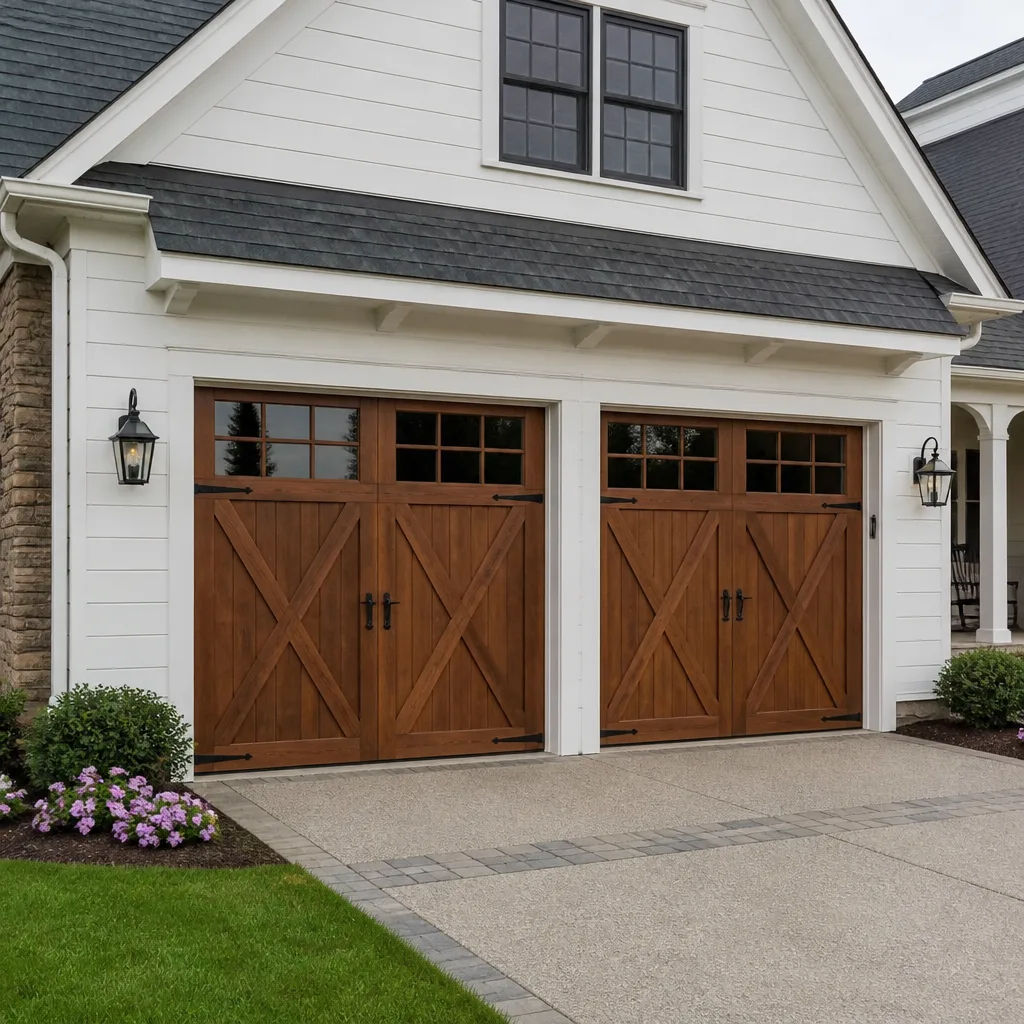 Carriage house
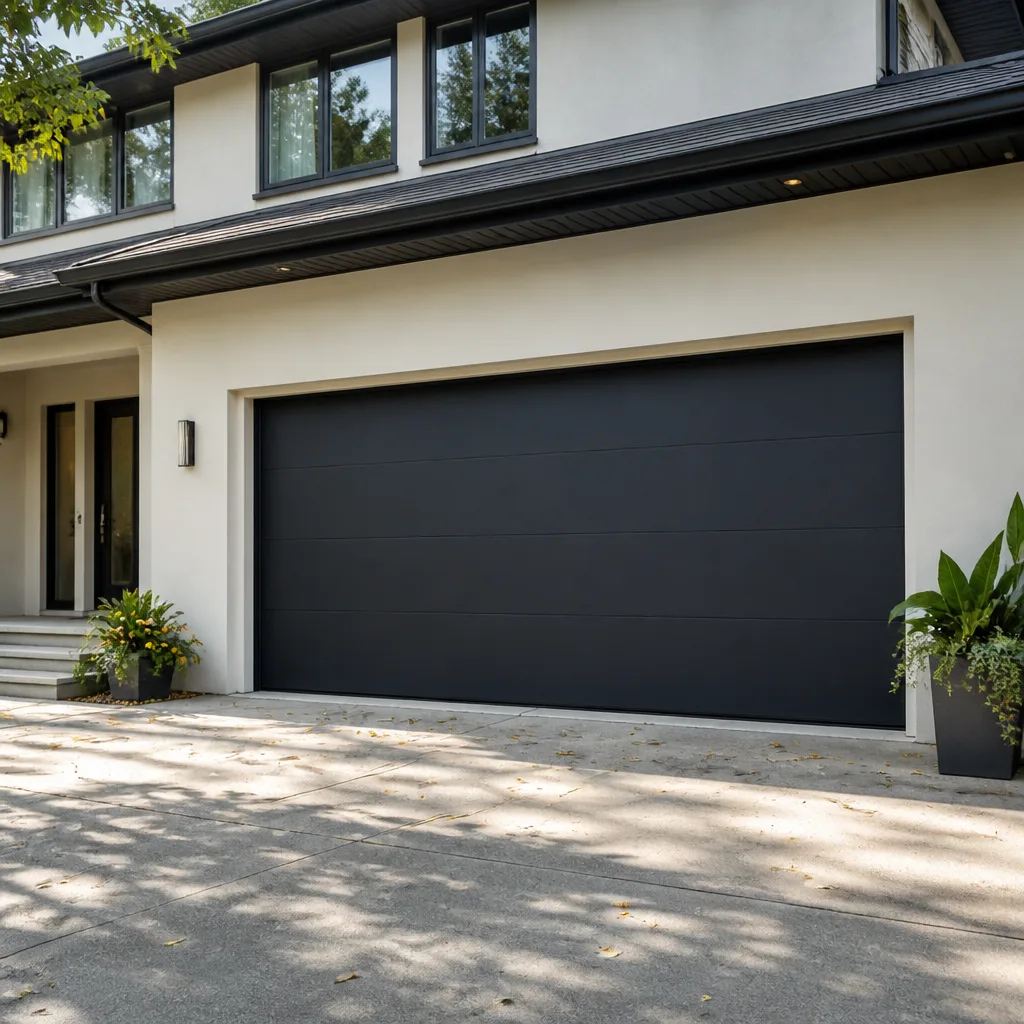 Modern flush
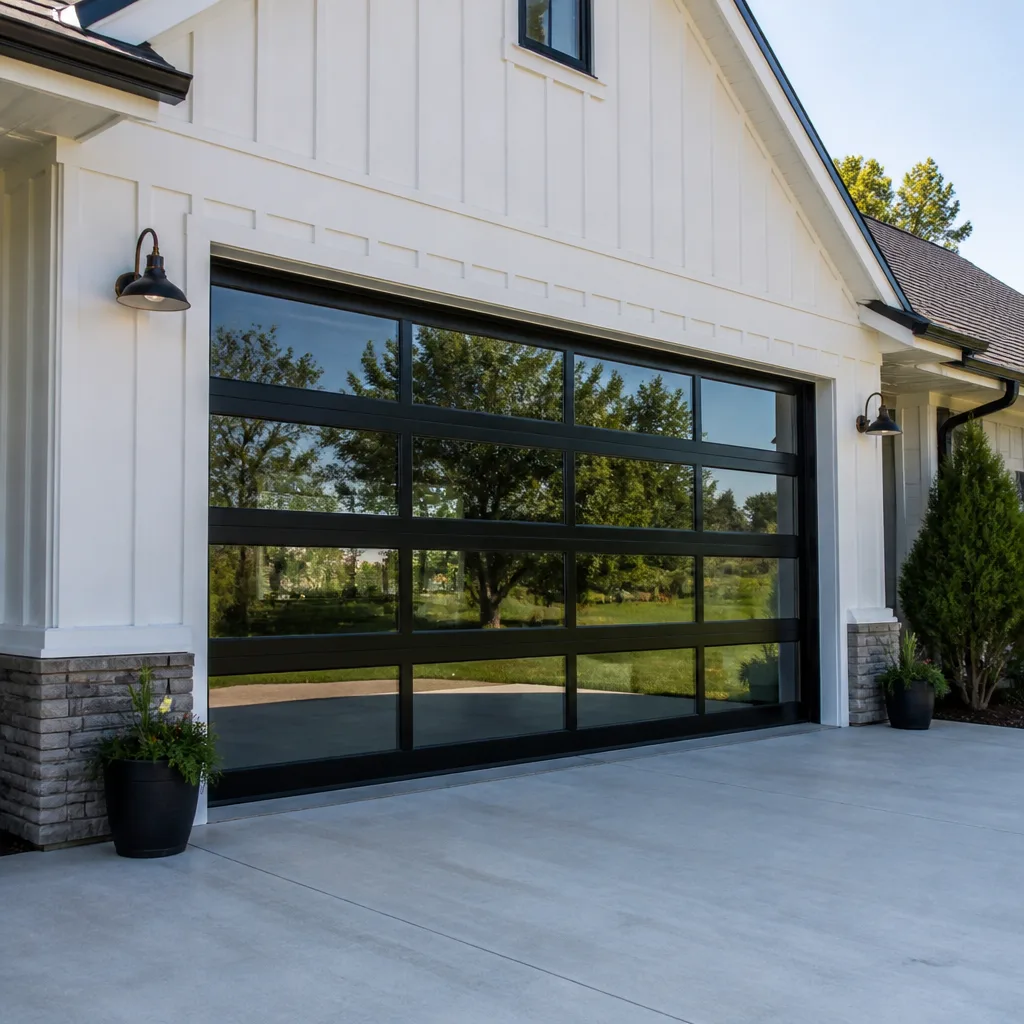 Full-view glass
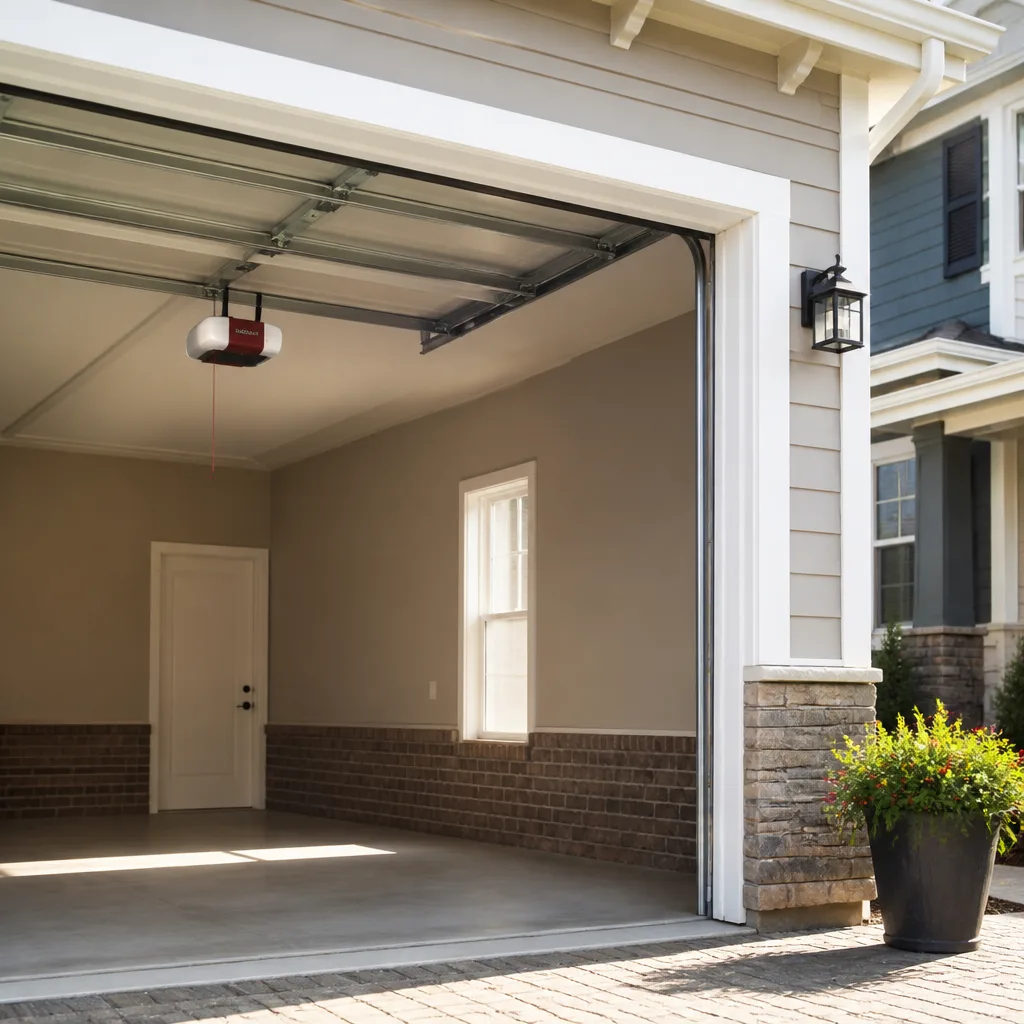 LiftMaster openers
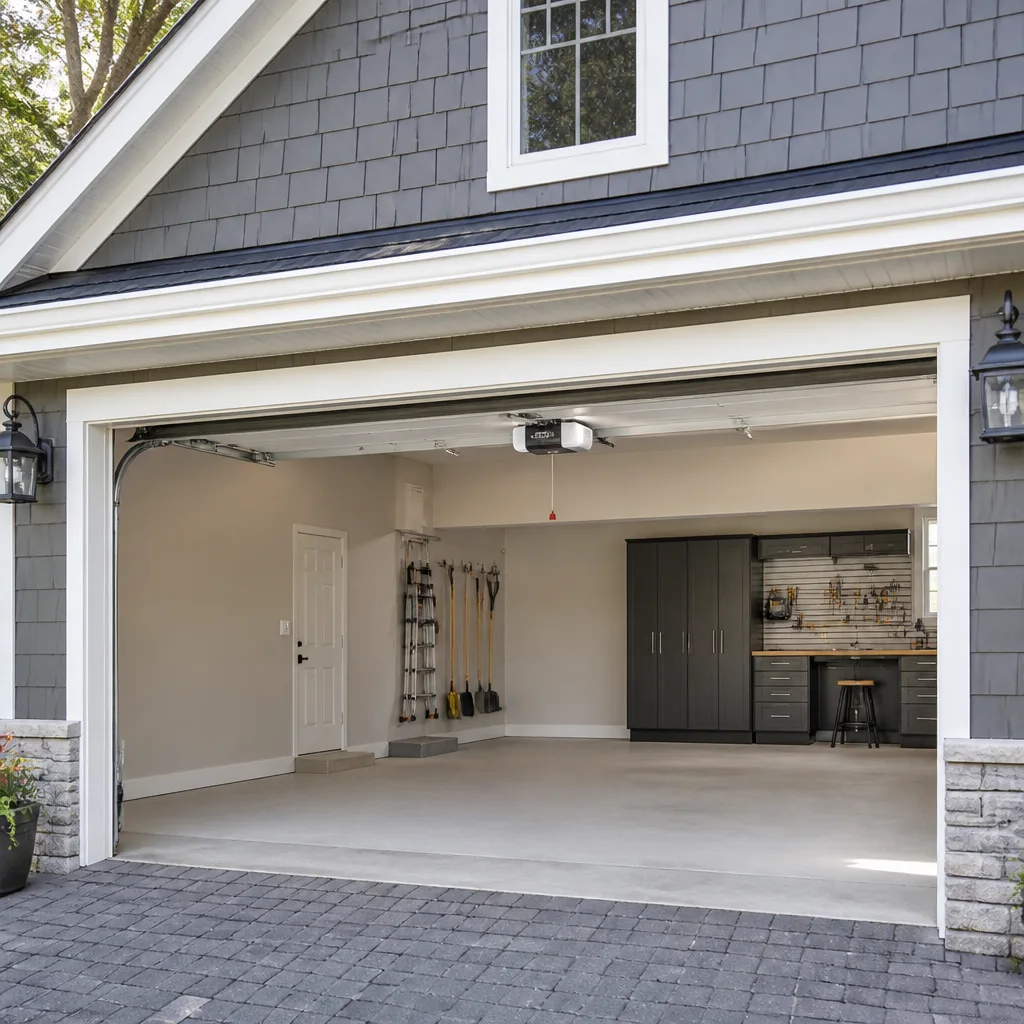 Chamberlain openers
Full 25-point door and opener safety check with every visit - springs, cables, rollers, tracks, and your LiftMaster or Chamberlain opener included
You get a price before we start. It does not change when the pro arrives.
Get your free estimateGarage Door Repair Maintenance Checklist for East Providence Homeowners
Most garage door maintenance checklists are recycled from manufacturer PDFs and treat all twenty tasks as equally urgent. That’s backwards. In our experience across East Providence, a handful of small tasks prevent the vast majority of breakdowns, and the rest are clutter. The tasks that actually matter here are ranked by how often they cause real failures in New England’s freeze-thaw cycles and humid summers. Homeowners skip them not out of carelessness, but because no one told them which five are worth the twenty minutes. This guide ranks the tasks by failure frequency, names products that hold up in our climate, and shows you the two visual checks that catch most problems early.
Quick Answer
The five maintenance tasks that prevent most garage door failures in East Providence are: lubricate the springs, rollers, and hinges every few months; check the spring coils for gaps and rust; inspect the cables for fraying; test the auto-reverse safety feature monthly; and keep the tracks clean and aligned. These take about twenty minutes total and target the parts that actually break in our climate. Deeper checks and any work on springs or cables belong with a trained technician.
Styles & brands we work with
- Raised-panel steel
- Carriage house
- Modern flush
- Full-view glass
- LiftMaster openers
- Chamberlain openers
Table of Contents
- Why Most Checklists Waste Your Time
- The Two Visual Checks That Catch Most Failures
- A Prioritized Task List for East Providence Homes
- The Right Lubricants for Rhode Island Humidity
- What Not to Do Yourself
- A Simple Record-Keeping System
- A Seasonal Rhythm for East Providence
- Common Mistakes to Avoid
Why Most Checklists Waste Your Time
A checklist that gives equal weight to “wipe down the panels” and “check the lift cables” is a checklist that has never seen a door fail. The reality on East Providence doors is that failures cluster around a few wear points. Springs take the load every time the door opens, and metal fatigue is cumulative. Cables fray where they run over pulleys. Rollers flatten and stop turning. The panels and paint rarely cause a door to stop working.
We rank tasks by a simple test: how often does skipping this task lead to a call for garage door repair? By that measure, lubrication and the two visual checks below are worth more than every cosmetic task combined. If you only have twenty minutes a season, spend it there.
Rhode Island’s climate adds its own pattern. The freeze-thaw cycle through winter and spring works hardware loose and lets moisture into moving parts. Our humid summers then accelerate rust on anything under-lubricated. A door that sits through a cold East Providence winter without fresh grease on its springs and hinges is a door that’s already partway to a failure.
The Two Visual Checks That Catch Most Failures
Two quick checks catch the majority of impending failures before they happen: looking for gaps in the spring coils and looking for frayed strands in the cables. Both take under a minute with the door closed and the opener off, and neither requires touching a moving part under tension.
- Check the spring coils. Look along the long torsion spring above the door (or the extension springs along the tracks on older doors). A healthy spring has tight, even coils. A visible gap in the middle, or heavy rust spots, means the spring is under stress and heading toward failure. When we service a door, this is often the first thing we examine, because spring failure is the most common serious breakdown we see in East Providence.
- Check the cables. Look along the thin steel cables that run up the sides. Healthy cable looks smooth and whole. Frayed strands, a kink, or a sagging line means stress damage and should be looked at soon. Never touch the cable under tension – just observe it.
If either check shows a problem, stop there and call a technician. A compromised spring or cable isn’t a wait-and-see item. Catching it early is far better than finding it when the door won’t open.
A Prioritized Task List for East Providence Homes
Here is the checklist we’d actually hand to an East Providence homeowner, ranked by failure frequency rather than alphabetically. Do the first three every few months; the rest can be done a couple of times a year.
- Lubricate springs, rollers, and hinges. Highest priority. These are the moving parts that wear fastest and fail most often when neglected.
- Run the two visual checks. Spring coils and cables – catch it early.
- Test the auto-reverse safety feature monthly. Place a small object like a rolled-up towel on the floor under the door and close it. The door should reverse on contact. This is a safety check, not just a convenience one.
- Wipe the tracks and check alignment. Clean the vertical and horizontal tracks, then look down them from the door opening. They should look straight and parallel.
- Clean and lubricate the opener chain or screw. A dry or rattling opener chain is a part on its way out. A little lubrication quiets it and extends life.
- Check the weather seal along the bottom. A torn or brittle bottom seal lets in drafts, water, and pests. It’s cheap to replace and easy to inspect.
- Look at the hardware. Bolts and brackets loosen over time. Tighten what you can reach safely, and have a technician check anything that looks bent or misaligned.
On East Providence doors with openers from Clopay, Amarr, or Wayne Dalton, the opener chain and track alignment matter as much as the door hardware itself. For opener-specific problems, that’s a separate job from the garage door opener repair side of the business, and we diagnose by the actual system rather than guessing.
The Right Lubricants for Rhode Island Humidity
The right lubricant for garage door hardware in Rhode Island is a silicone-based spray or a dedicated garage door lubricant, never generic WD-40. Many homeowners reach for WD-40 because it’s what’s on the shelf, and it’s the single most common reason a moving part develops a problem. WD-40 is a solvent and dispersant, not a lasting lubricant; it cleans and displaces water but leaves a thin film that quickly disappears. On a door that needs real, lasting protection through humid summers and freezing winters, that’s the wrong tool.
- Best for springs, hinges, and rollers: A silicone spray or a purpose-made garage door lubricant. These stick to the metal and hold up to moisture.
- Best for the opener chain or screw: A suitable chain lubricant, applied lightly. Don’t overdo it – excess attracts grit.
- Avoid: WD-40 as a long-term protective coating, and any heavy grease that turns into a sticky paste in cold weather.
The general rule for East Providence homes: apply a light coat to the springs, hinges, and rollers every few months, more often if the door is under heavy daily use. Four minutes of spray and about $6 of product is cheap compared to a failed spring. A spring replacement runs a typical $150-$300 in East Providence, and prevention is the reason to care about the spray bottle. When a spring does fail, that’s a job for garage door spring repair, not a homeowner with a wrench.
What Not to Do Yourself
Some garage door jobs are safe for a homeowner to handle, and others genuinely aren’t. The dividing line is tension. Anything that holds the door’s weight or controls its movement under load – the springs and the cables – is a job for a trained technician, and it’s not about liability. It’s about the physical force involved.
The torsion spring above the door and the extension springs along the tracks are under heavy tension even when the door is down. That stored energy is what makes a spring failure dangerous. A homeowner adjusting a spring or re-tensioning a cable is working against a force that can cause serious injury in an instant. We handle springs for that reason, and we don’t hand out DIY tensioning steps because doing them is where people get hurt. Our positioned view: springs are the most dangerous part of any garage door, so we handle them so you don’t have to.
What you can safely do: lubricate moving parts, wipe and check the tracks, test the auto-reverse feature, inspect the weather seal, tighten a loose bolt you can reach, and watch the visual checks above. What needs a technician: anything involving spring tension, cable replacement, safety testing after a mechanical change, and diagnosing opener problems. Our technicians have up to 8 years of experience, and a licensed local professional handles the work we connect you with.
A Simple Record-Keeping System
A few notes on the door’s history save real time when you eventually call for service. When a technician can see at a glance when the springs were last serviced, what was lubricated, and what the last issue was, the diagnosis is faster and more accurate. It’s a small habit that pays off.
- Keep a small log near the door. A sticky note or a page on your phone works. Note the date each time you lubricate, run the visual checks, or replace a part.
- Record any noise or behavior changes. A new squeak, a slower open, a door that stops part-way – note the date and what you noticed. These become diagnostic clues.
- Note the door and opener brand. Write down whether your door is a Clopay, Amarr, Wayne Dalton, or Craftsman system and which opener you have. Technicians can then arrive prepared with the right replacement parts and diagnostic approach for the actual system.
- Note the last time a part was replaced. A spring replacement date lets a technician judge expected life. It’s much better than guessing.
A record that travels with the door is the difference between “your springs are probably fine” and “your springs were replaced two years ago, let’s check them.” Our technicians work on the brand you already have, and a quick history helps them diagnose the system, not just the symptom.
A Seasonal Rhythm for East Providence
If you’d rather follow a calendar than a list, here’s a rhythm built for East Providence’s seasons. The goal is to hit the priority tasks at the times they matter most.
- Early spring: After winter’s freeze-thaw, do the full prioritized list. Check for hardware loosened by cold, re-lubricate everything, and run both visual checks.
- Late spring / early summer: Clean and adjust the tracks and check the opener chain. The humid months are hard on moving parts, so fresh lubrication matters.
- Late summer: Test the auto-reverse feature and check the bottom weather seal. A seal that survived winter may have dried out in summer heat.
- Fall, before the cold: Re-lubricate all moving parts generously. Cold weather strips thin lubricants, so a fresh coat going into winter prevents most cold-season failures.
- Any time a change shows up: A new noise or odd motion overrides the calendar. Check it immediately.
This isn’t a strict schedule so much as a pattern: prioritize the moving parts before and after the harsh seasons, and stay responsive when something changes.
Common Mistakes to Avoid
- Using WD-40 as a long-term lubricant. It’s a solvent, not a lasting protection, and it leaves moving parts drier than they should be. Use a silicone or purpose-made garage door lubricant instead.
- Giving equal weight to every task on a twenty-item list. Skipping “wipe the panels” costs nothing. Skipping a spring check costs a lot. Spend your time on what actually fails.
- Trying to adjust or replace springs yourself. These are under heavy tension, and this is the task most likely to cause injury. A failed spring is not a do-it-yourself repair.
- Ignoring a new sound. A squeak or groan is an early signal, not background noise. Note the date and address it before it becomes a breakdown.
- Seldom lubricating in our humid climate. What a manufacturer’s manual calls for every few months can need doing more often in Rhode Island’s summers. Don’t stretch it.
- Forgetting the safety test. The auto-reverse feature protects people and pets. Test it monthly instead of trusting that it still works.
- Not keeping any record of the door’s history. Without notes, every future service call starts from scratch. A sticky note is the difference between a fast diagnosis and a guessing game.
See the difference
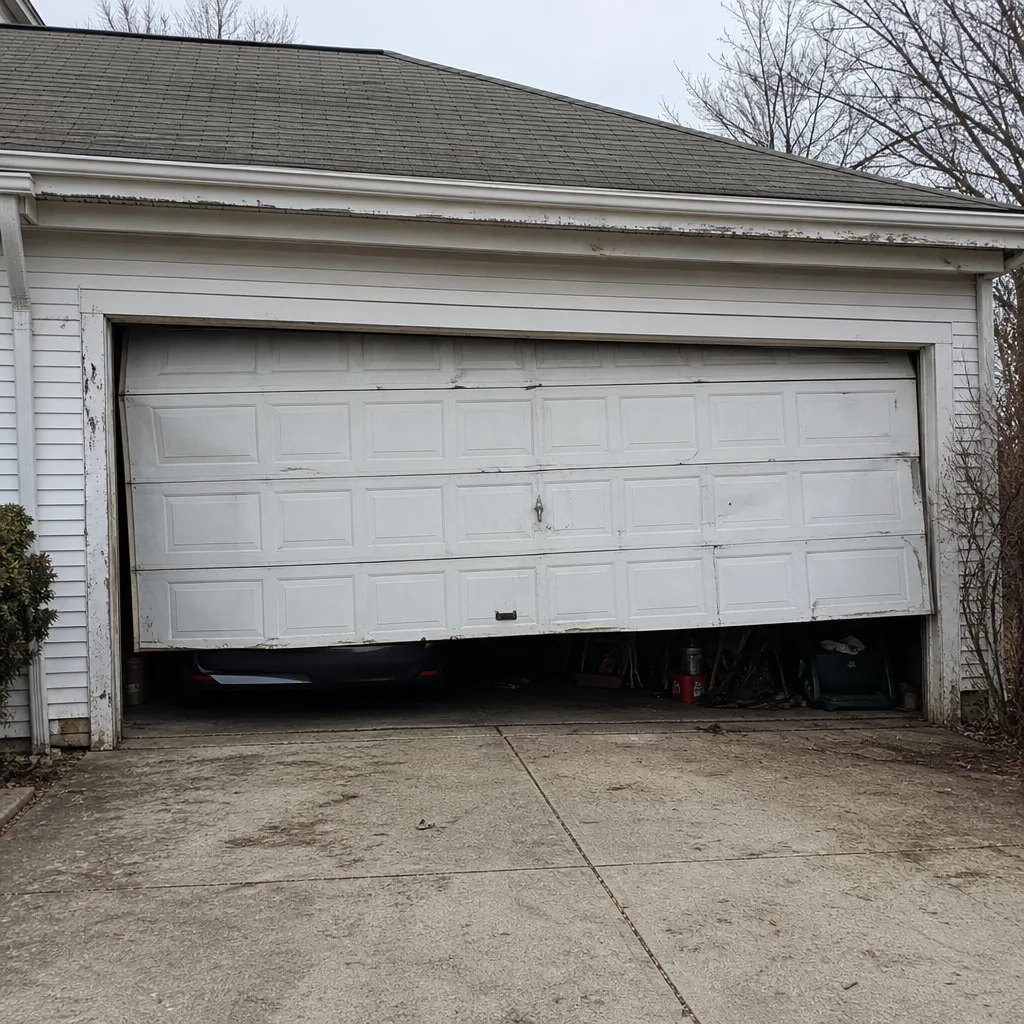 Before
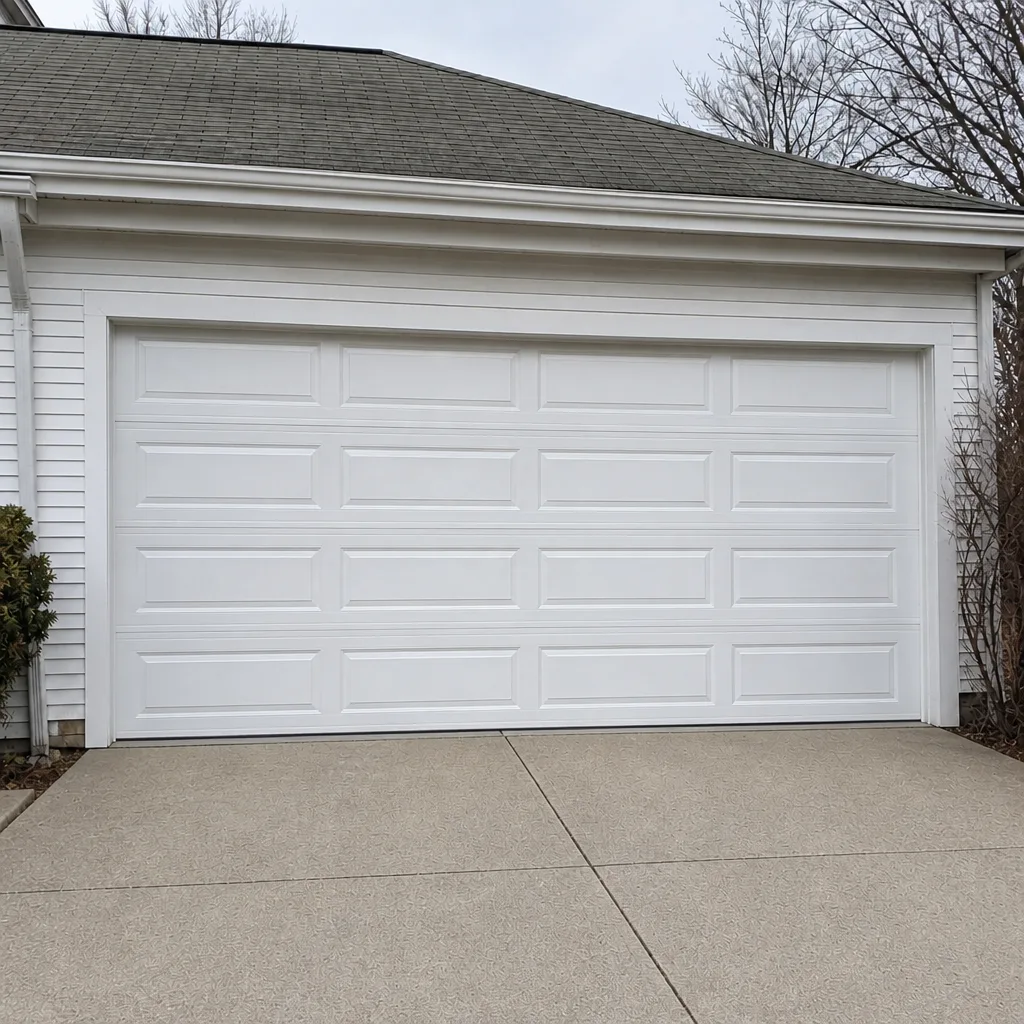 After
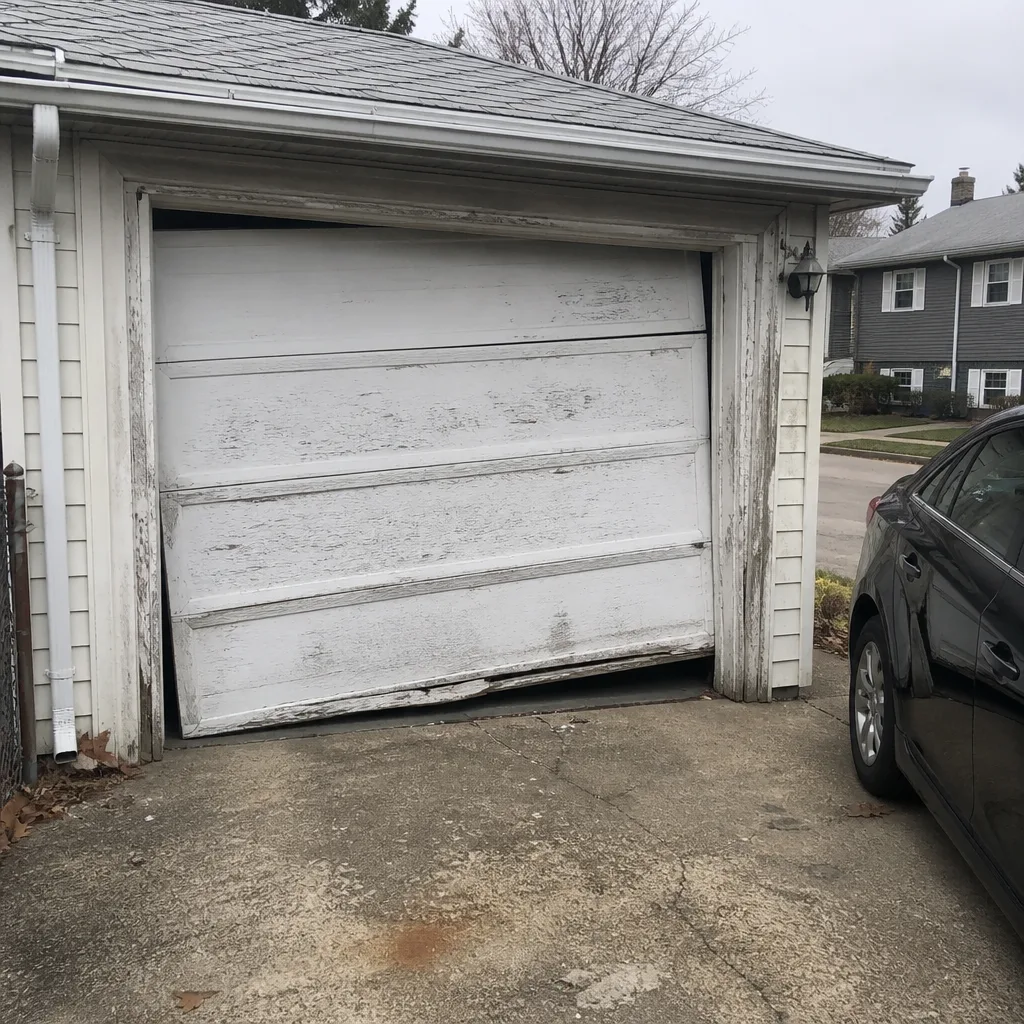 Before
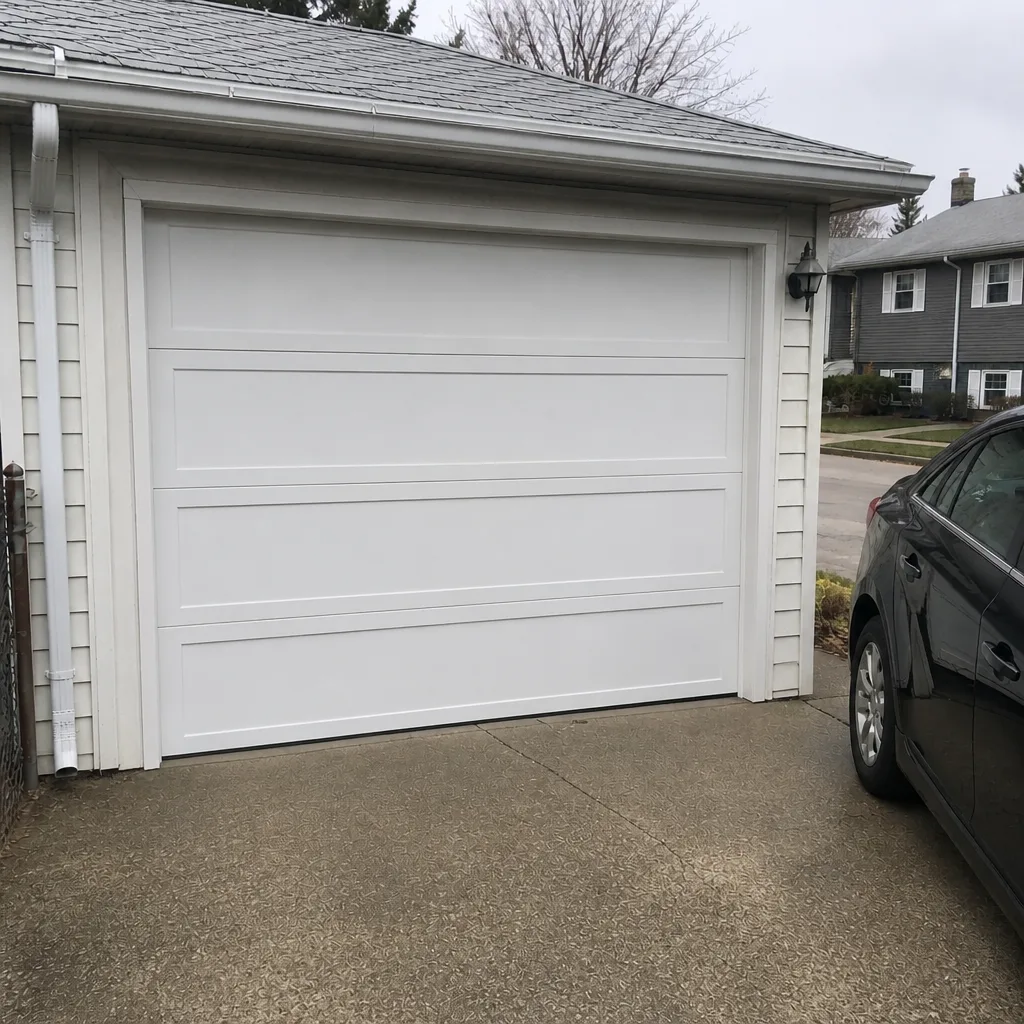 After
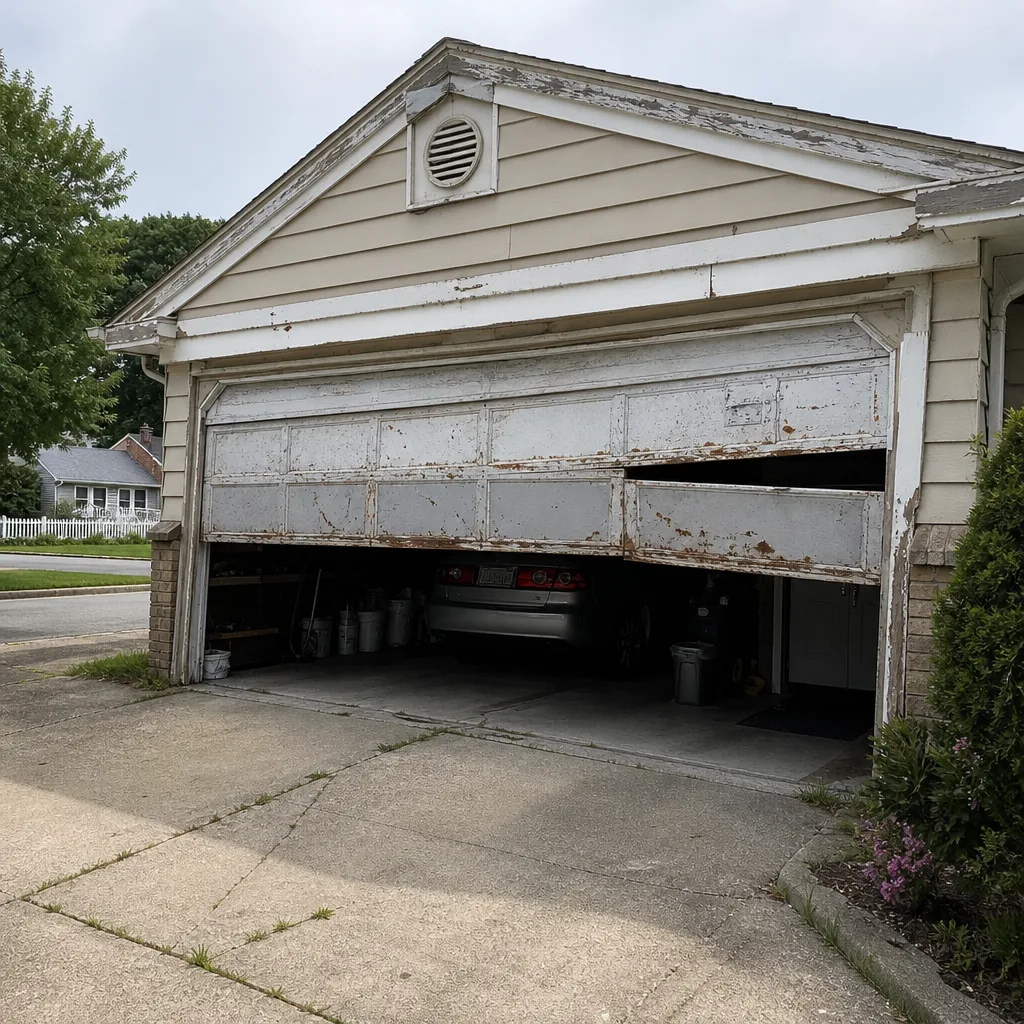 Before
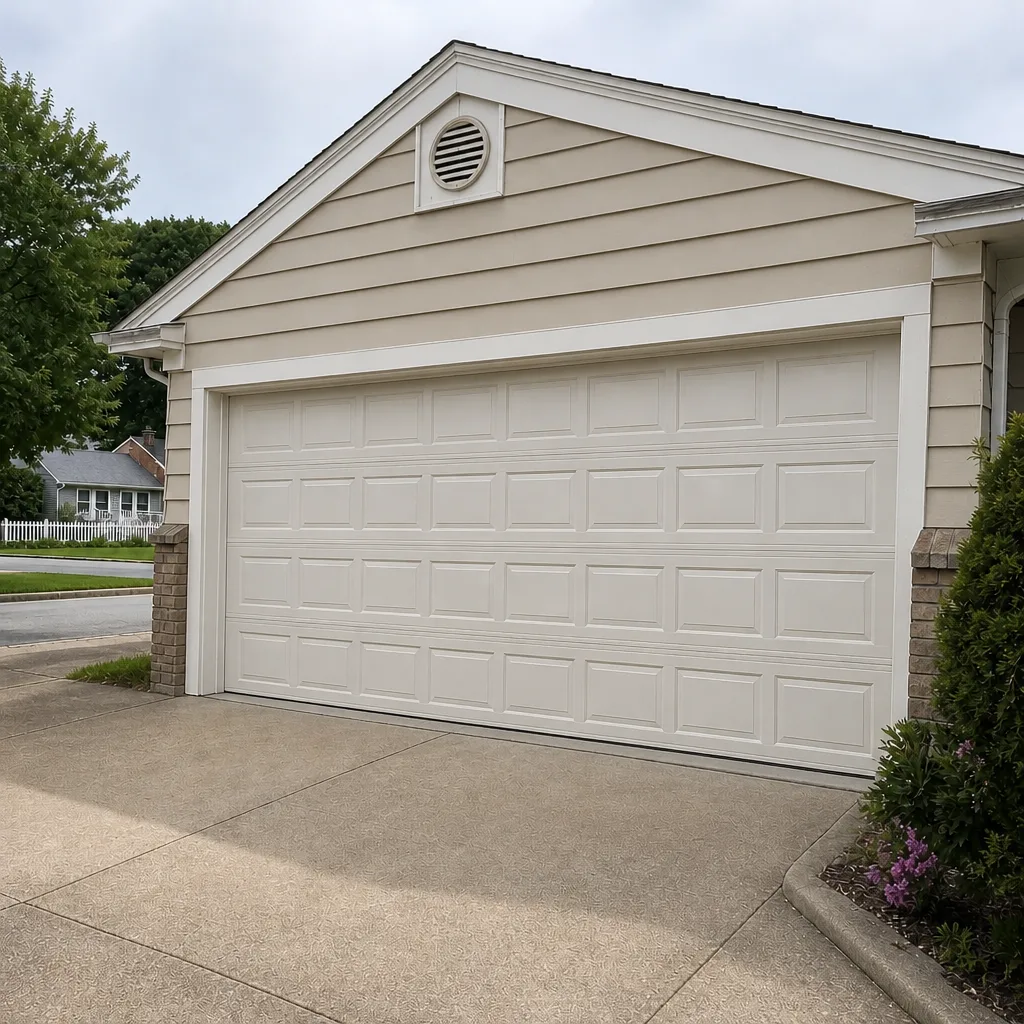 After
When to Call a Professional
Some situations call for a technician rather than a checklist. If the door won’t open or close, call – we offer same-day service and fast dispatch from 7am to 7pm for the urgent cases. If you’ve spotted a broken spring, a frayed cable, or a door that’s come off its track, that’s a job for a professional. If the opener makes an unusual noise or the door moves slower than it used to, that’s worth a look before it becomes a breakdown. And if you simply want a full maintenance check done right, that’s a call too. East Providence Garage Door Repair offers free estimates in East Providence – call (855) 648-6750. We answer 24/7. Fast dispatch from 7am to 7pm, Sunday through Friday.
Frequently Asked Questions
A spring replacement typically runs $150-$300 in East Providence, and that range is for one spring; a matched pair is usually replaced together, so a pair costs about twice that. The written estimate sets the final price, and the price is quoted and agreed before any work starts. Call (855) 648-6750 for an exact quote – estimates are free.
We offer same-day service for urgent failures, with fast dispatch from 7am to 7pm. When your door won’t move, we move fast, because a door that won’t close leaves a home exposed. Call (855) 648-6750. We answer 24/7. A call outside dispatch hours is booked into the next opening, Sunday through Friday, 7am to 7pm.
The price is set per job by the written estimate, so you’ll know the cost before any work starts. The written quote is the price. If the work turns out to need more than the estimate covered, you’ll hear about it before anything changes. Call (855) 648-6750 for a free estimate.
Use a silicone-based spray or a dedicated garage door lubricant on springs, hinges, and rollers, and a suitable chain lubricant on the opener chain. Don’t use WD-40 as a lasting protective coat – it evaporates and leaves the parts dry. For a brand-specific recommendation for your door or opener, call (855) 648-6750.
No. Garage door springs are under heavy tension and are the most dangerous part of the system, so replacement is a job for a trained technician. Our technicians have up to 8 years of experience and handle this safety-critical work. Call (855) 648-6750 for spring repair; estimates are free.
The local pro we connect you with is licensed and insured as their state requires, and our technicians have up to 8 years of experience. We work on the brand you already have, including Clopay, Amarr, Wayne Dalton, and Craftsman systems. Call (855) 648-6750 for an estimate; it’s free.
The Bottom Line
Most garage door maintenance advice treats every task as equal. It isn’t. If you focus on lubricating the moving parts, running the two visual checks on springs and cables, and testing the auto-reverse feature, you’ll prevent the majority of failures a typical East Providence door faces. Use the right lubricant, keep a simple history of the door, and know which jobs belong with a technician – anything involving spring tension. For anything you’d rather not handle, or when something’s already broken, we’re here to help. Call (855) 648-6750. We answer 24/7, with fast dispatch from 7am to 7pm, Sunday through Friday.
Written by the team at East Providence Garage Door Repair.